Recognizing C. Diff: Key Symptoms & When to See a Doctor
Experiencing persistent digestive upset can be unsettling, especially when it goes beyond typical stomachaches. One particular bacterial infection that warrants close attention is *Clostridium difficile*, commonly known as *C. diff*. This opportunistic bacterium primarily targets the large intestine, leading to a range of symptoms from mild discomfort to life-threatening intestinal disorders. Understanding its signs is crucial for timely intervention and preventing severe complications. So,
what is the main symptom associated with a *Clostridium difficile* infection?
The unequivocal answer is
watery diarrhea. While many conditions can cause diarrhea, *C. diff* diarrhea often presents with specific characteristics that differentiate it and signal the need for medical evaluation. This persistent and often debilitating diarrhea is the most common and noticeable indicator that a *C. diff* infection may be at play, laying the groundwork for further investigation.
Understanding *Clostridium Difficile*: The Basics
*Clostridium difficile* is a bacterium naturally present in the intestines of some individuals without causing harm. These people are considered carriers; they harbor the organism but never develop an infection. However, under certain conditions, *C. diff* can proliferate rapidly and produce toxins that damage the lining of the large intestine. The most common trigger for this shift from harmless presence to active infection is the use of antibiotics.
Antibiotics, while vital for combating bacterial infections elsewhere in the body, can inadvertently disrupt the delicate balance of beneficial bacteria in the gut. This disruption creates an environment where *C. diff* can thrive unchecked, leading to an infection. Symptoms typically emerge during, or within a few months after, a course of antibiotics. Recognizing this link is a critical first step in identifying potential *C. diff* cases. Beyond antibiotics, other risk factors can include advanced age, extended hospital stays, and weakened immune systems, all of which can predispose individuals to the bacterium’s harmful effects.
The Hallmarks of C. Diff: Mild to Moderate Symptoms
As established, the primary and most frequent symptom of a *C. diff* infection is diarrhea. In cases of mild to moderate infection, this typically manifests as
watery diarrhea that occurs three or more times a day for two or more consecutive days. It's not just any loose stool; it’s distinctly watery and persistent, often accompanied by other uncomfortable gastrointestinal signs.
Beyond the characteristic diarrhea, individuals with a mild to moderate *C. diff* infection frequently experience a combination of:
- Abdominal pain: A general discomfort or ache in the stomach area.
- Stomach tenderness: Sensitivity or pain when the abdomen is touched.
- Mild cramping: Intermittent spasms or tightening sensations in the abdominal region.
These symptoms, while uncomfortable, are often the initial indicators of an infection that needs attention. It’s crucial not to dismiss persistent watery stools, especially if they follow a course of antibiotics. Prompt recognition can prevent the infection from progressing to a more severe state. For a deeper dive into this primary symptom, read our article:
Watery Diarrhea: The Primary Symptom of C. Diff Infection.
When C. Diff Becomes Severe: Recognizing Alarming Signs
While mild *C. diff* symptoms are concerning, the infection can rapidly escalate, leading to severe and potentially life-threatening complications. When *C. diff* takes a turn for the worse, the symptoms become far more intense and indicative of a serious problem requiring immediate medical attention, often hospitalization.
In severe *C. diff* infections, the watery diarrhea intensifies dramatically, sometimes occurring
10 to 15 times a day. This extreme frequency can quickly lead to severe dehydration, which itself is a medical emergency. The bacterium's toxins cause significant inflammation of the colon, a condition known as colitis. In some severe instances, this inflammation can lead to the formation of pseudomembranes – patches of raw tissue that may bleed or produce pus on the colon lining, a condition called pseudomembranous colitis.
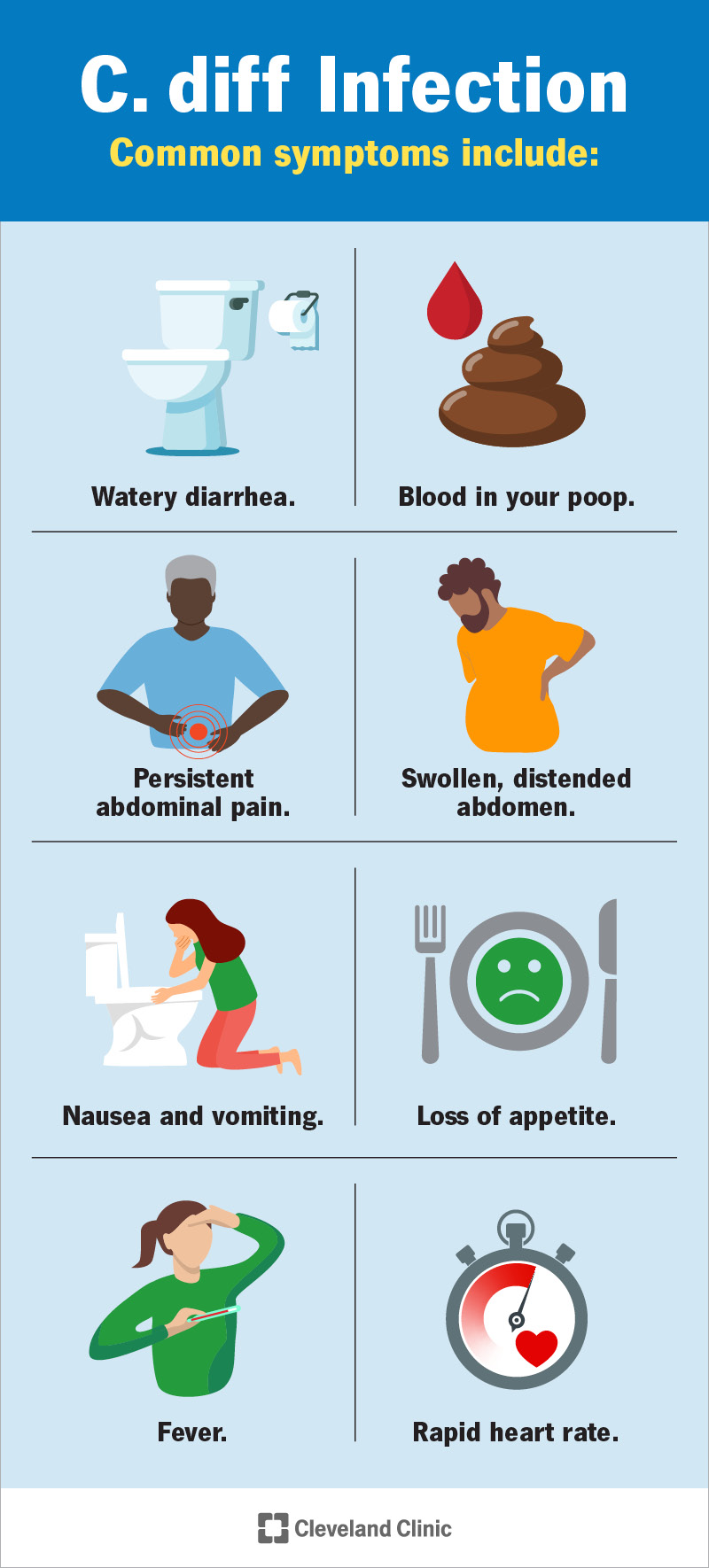
Other alarming signs and symptoms associated with severe *C. diff* infection include:
- Fever: A clear sign that the body is fighting a serious infection.
- Severe abdominal pain and cramping: Much more intense than in mild cases, often debilitating.
- Rapid heart rate: A compensatory response to dehydration or systemic infection.
- Nausea and loss of appetite: Leading to significant discomfort and potentially rapid weight loss.
- Dehydration: Characterized by extreme thirst, dry mouth, reduced urination, and dizziness.
- Kidney problems: Can arise due to severe dehydration and systemic impact.
- Swollen abdomen: Indicating significant inflammation or other gastrointestinal distress.
- Pus or blood in the stool: A critical warning sign of severe colon damage and inflammation.
- Increased white blood cell count: Detected via blood tests, indicating a strong immune response to a serious infection.
- Significant weight loss: Due to persistent diarrhea, nausea, and appetite loss.
The presence of any of these severe symptoms, particularly the combination of intense diarrhea with fever, severe pain, or blood in the stool, necessitates urgent medical care. Ignoring these warning signs can lead to grave consequences, including toxic megacolon (a dangerously distended colon), bowel perforation, sepsis, and even death. For more information on the progression of symptoms, refer to
C. Diff Symptoms: From Mild Diarrhea: From Mild Diarrhea to Severe Complications.
When to Seek Medical Attention: Crucial Action Steps
Knowing when to transition from self-monitoring to seeking professional medical help is paramount for managing a *C. diff* infection effectively. Early diagnosis and treatment are critical to prevent the infection from worsening and to minimize the risk of severe complications.
You should contact your doctor or seek medical attention if you experience:
- Three or more watery stools a day that last for more than two days. This is the most common and often the earliest persistent indicator.
- A new fever: Especially if it accompanies diarrhea after antibiotic use.
- Severe abdominal cramping or pain: Pain that is debilitating or doesn't subside.
- Blood or pus in your stool: This is a definitive sign of significant intestinal damage and requires immediate evaluation.
- Signs of dehydration: Including excessive thirst, dry mouth, infrequent urination, or dizziness.
Do not attempt to self-diagnose or treat *C. diff* with over-the-counter medications for diarrhea without consulting a doctor, as some anti-diarrheal agents can actually worsen the condition by trapping the toxins in the gut. When you see a doctor, be sure to inform them about any recent antibiotic use, hospitalizations, or other relevant medical history. Diagnosis typically involves a stool test to detect the *C. diff* toxins. Treatment often includes specific antibiotics targeting *C. diff* and supportive care to manage symptoms like dehydration.
Conclusion
*Clostridium difficile* infection is a serious condition that demands awareness and prompt action. While the spectrum of symptoms can vary, the main symptom associated with a *Clostridium difficile* infection is undoubtedly
persistent, watery diarrhea. This, coupled with abdominal pain, tenderness, or cramping, especially following antibiotic use, should immediately raise a red flag. As the infection progresses, alarming signs such as severe diarrhea, fever, intense abdominal pain, dehydration, and blood in the stool signal a critical medical emergency. Recognizing these key symptoms and understanding when to seek professional medical advice are essential steps in protecting your health and preventing the potentially life-threatening consequences of untreated *C. diff*. Your vigilance can make all the difference in achieving a successful recovery.